What it's really like living in Hawaii
Hawaii rewards a certain kind of life: outdoors, unhurried, and deeply connected to place. But each island offers a different version of it — and choosing the right one matters as much as choosing the right home.
From Honolulu's energy to Kauai's quiet, the islands differ in cost, climate, community, and rhythm. This guide compares them honestly — the lifestyle, the practicalities, and the tradeoffs — so you can picture daily life before you ever sign. When you're ready, every island's listings are a click away.
Choose your island
View all listings
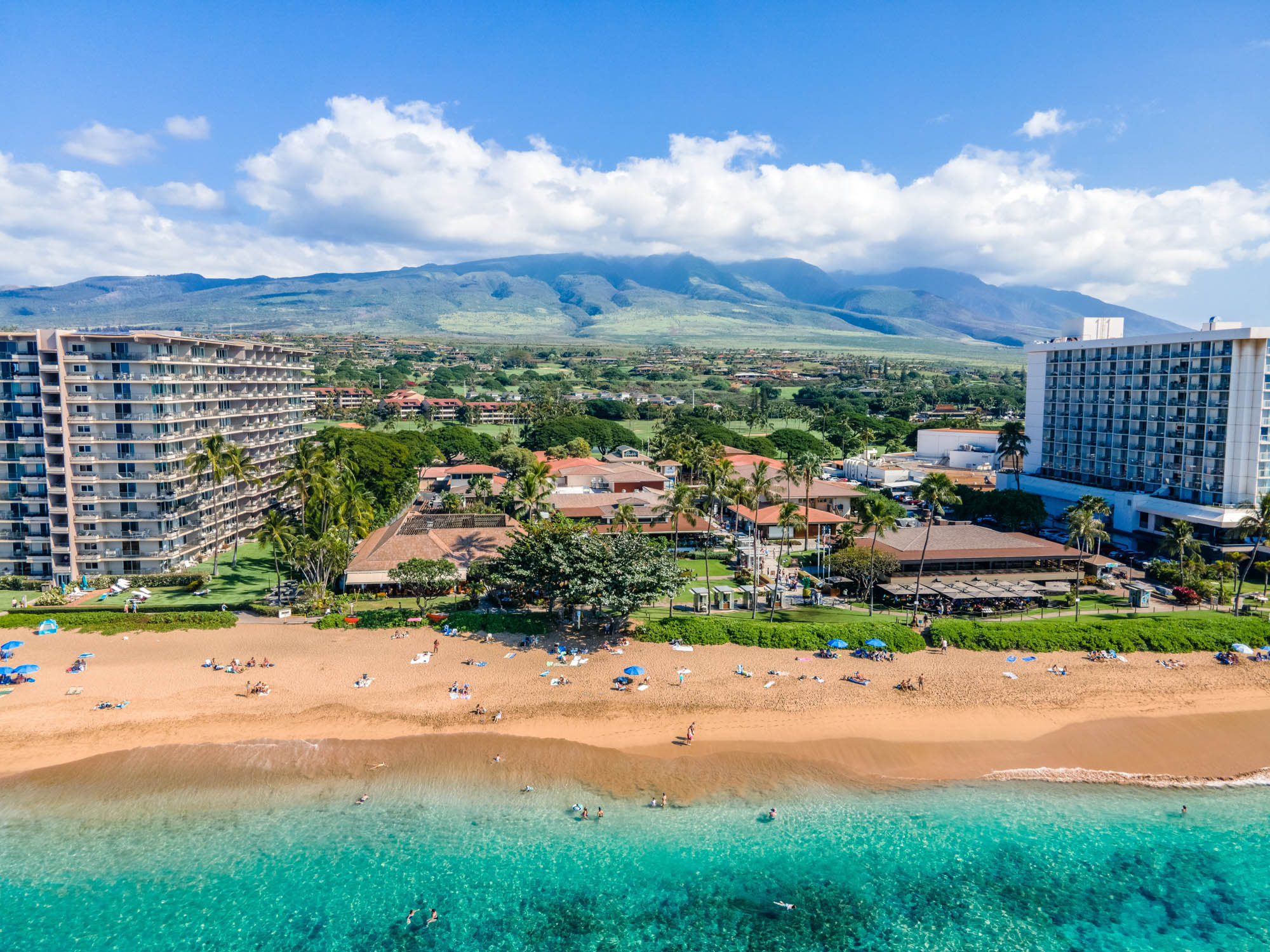
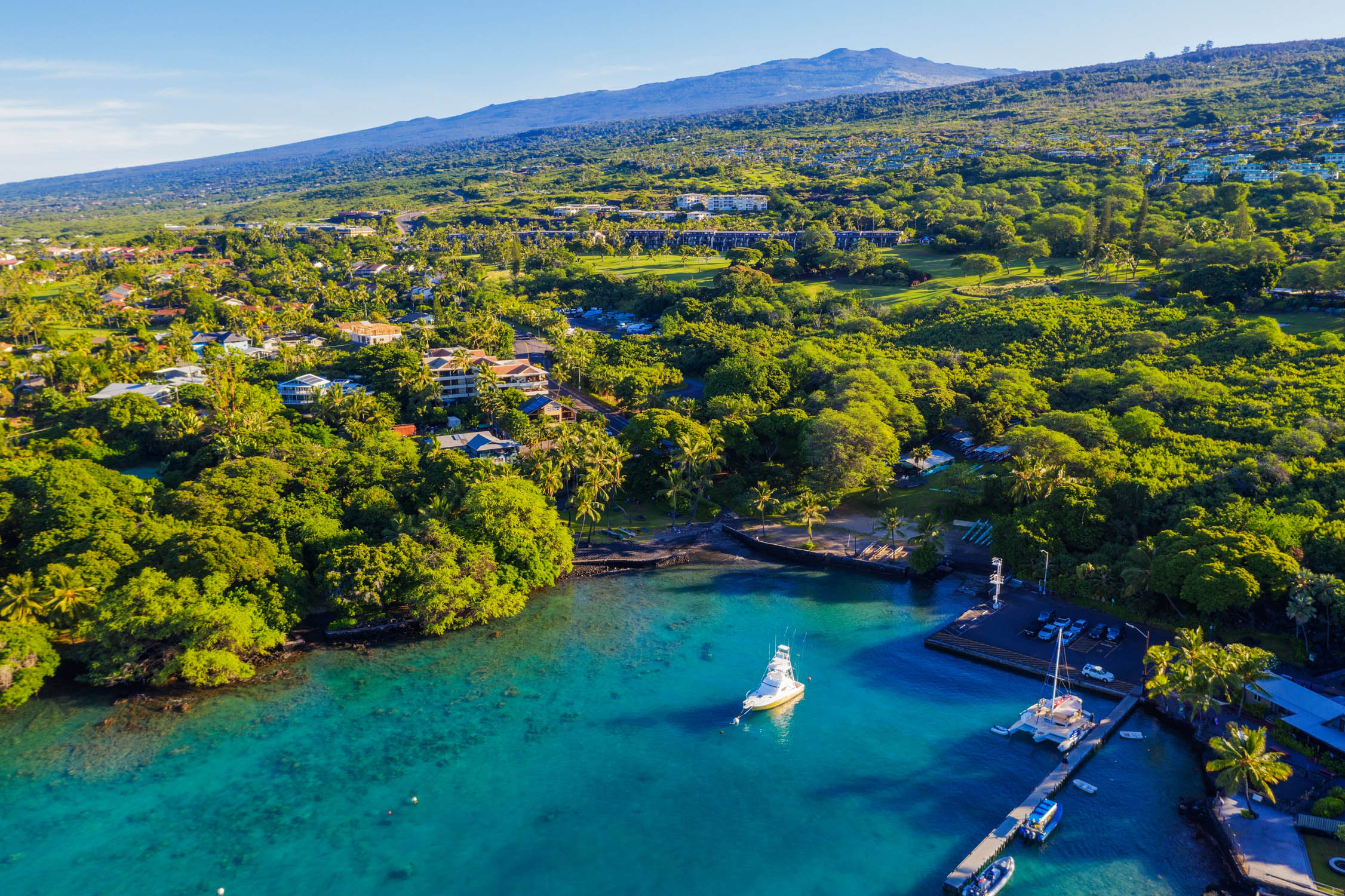

Life on the islands
Plan for island prices
Housing, groceries, and energy run higher than the mainland, offset for many by no need to travel far for paradise. Budgeting honestly is the key to enjoying it.
Endless summer, many microclimates
Warm year-round, but rain, wind, and sun vary block to block. The windward and leeward sides of each island can feel like different worlds.
Aloha is real
Island life runs on respect, patience, and connection to place. Newcomers who slow down and give back find a genuine, welcoming community.
Island logistics
Traffic on Oahu, open roads on the neighbor islands, and inter-island flights for work and play. Where you live shapes your whole daily rhythm.
Your backyard is the Pacific
Surf, hike, dive, and paddle year-round. For most residents, the outdoor lifestyle is the entire reason to be here.
Roots and remote
Public, charter, and private school options vary by island, and remote work has made island living possible for more people than ever.
How much does it cost to live in Hawaii?
Hawaii's cost of living is among the highest in the country, driven mostly by housing and the cost of importing goods. Residents balance it in different ways — choosing a more affordable island like the Big Island, buying instead of renting to lock in housing costs, or trading mainland square footage for island lifestyle. Understanding the real numbers for your island is the first step.
Which island should I move to?
If you want career options, nightlife, and amenities, Oahu is the obvious fit. For resort comfort and a relaxed pace, Maui is hard to beat. If you want space, value, and variety, the Big Island offers the most. And if you crave quiet and nature above all, Kauai delivers. Many people visit a few times, then let daily life — not vacation — guide the decision.
Making the move
Relocating to Hawaii works best when you've spent real time on your chosen island, understand the cost of living, and have a housing plan. Browse listings by island to see what your budget buys, save the areas that fit, and picture the everyday version of island life — not just the postcard.
Making the move? See what your home is worth
Get the most accurate value from a local Hawaii real estate specialist
Setup a consult Work with a Hawaii real estate expertmovingtohawaii.net tracks every island at the neighborhood level, so your valuation is grounded in the market that actually matters.
Living in Hawaii FAQ
There's no single best — it depends on your priorities. Oahu for careers and amenities, Maui for resort-style ease, the Big Island for space and value, and Kauai for quiet and nature. Compare the island guides above and browse homes on each to see which lifestyle and budget fit you best.
Yes — Hawaii has one of the highest costs of living in the U.S., mainly because of housing and imported goods. Many residents offset it by choosing a more affordable island, buying to stabilize housing costs, or prioritizing lifestyle over square footage. Knowing your specific island's numbers makes the decision realistic.
Many people do. Reliable internet is widely available, and remote work has made island living possible for a growing number of residents. Keep the time difference with mainland and international teams in mind, and factor connectivity into your choice of island and neighborhood.
Warm and tropical year-round, but highly local. Each island has wetter windward sides and drier leeward sides, plus elevation changes that create distinct microclimates — sometimes within a few miles. It's worth understanding the climate of a specific neighborhood, not just the island, before you buy.